
How Your Brain and Hearing Are Connected
- 5 min read
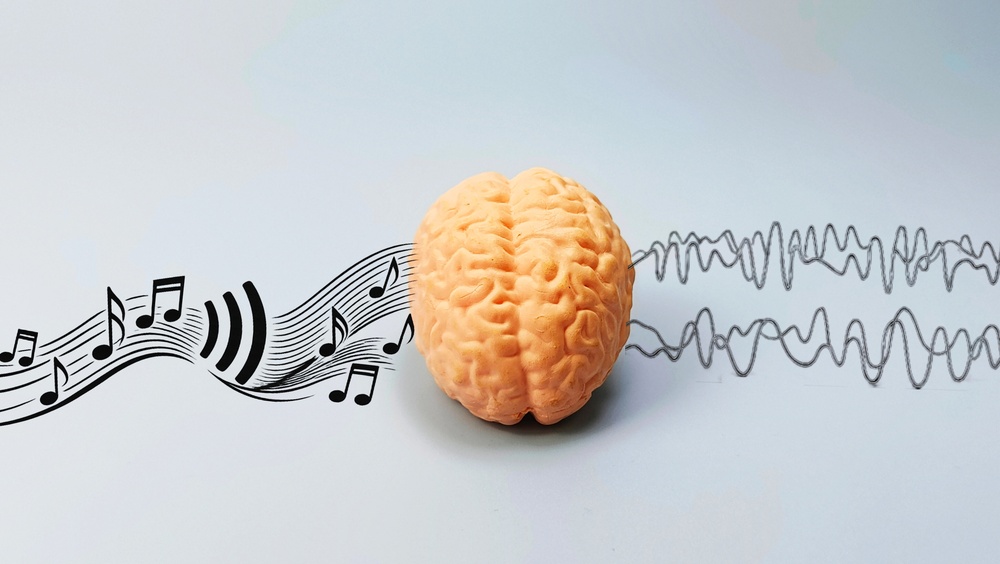
Most people don’t realize how hard your brain has to work in order for you to hear properly. This connection explains why a change in your hearing can affect more than how well you can hear certain sounds. It can also affect how much effort you need to put into listening and understanding, which can lead to other issues.
How Do Your Ears and Brain Work Together?
A series of steps begins as soon as sound waves enter your ear. The entire hearing process works like this:
- Sound waves enter your outer ear and travel toward the eardrum.
- Vibrations move through the middle ear and into your inner ear to the cochlea.
- Tiny sensory hair cells in the cochlea convert those vibrations into electrical signals.
- Your auditory nerve carries those signals toward the brain.
- The brain processes the signals so you can recognize and understand what you hear.
What Part of the Brain Controls Hearing?
Hearing, Listening and Understanding Are Not the Same Thing
Hearing, listening, and understanding are all parts of the process and may feel like they’re happening at the same time. However, they are a perfect example of how your ears and brain work together.
- Hearing involves detecting sound.
- Listening involves paying attention to and processing that sound.
- Understanding means interpreting the information and connecting it with meaning.
It’s important to distinguish between these because when someone doesn’t respond to what was said, the assumption is that they didn’t hear it, but that’s not always the case.
Someone with hearing loss may know someone is speaking but not be able to understand them clearly. They may also have trouble understanding when there are a lot of competing sounds that are hard to sift through and focus on the conversation they’re trying to follow.
Hearing a sound doesn’t always mean you can easily understand it, depending on how well your ears and brain are able to work together to complete the auditory process.
How Your Brain Identifies Where Sounds Come From
How Does Hearing Loss Affect Your Brain?
If you have hearing loss, the type and degree can affect more than what you can hear. Certain types of hearing loss might make sounds more muffled or affect which frequencies you can hear. When less sound information is available, your brain has to work harder to make sense of it. This can be especially noticeable in situations with a lot of competing sounds, depending on the type and severity of the hearing loss.
Researchers have studied the link between hearing loss and cognitive decline and dementia and found that when the brain has to work harder to process and interpret sound, it may have less energy for other cognitive functions, which can lead to memory loss and other issues.
How Can Hearing Care Help?
If you have started having hearing issues or symptoms you suspect are hearing-related, a hearing evaluation can help determine how your hearing is affected, which frequencies are harder to hear, and the current state of your hearing.
Getting answers means you can address those symptoms. If your test shows evidence of hearing loss that is severe enough for hearing aids, setting up that initial consultation and fitting and having devices that are perfectly tuned for you will reduce the extra strain your brain had to exert to try and keep up with your limited hearing.
The need for support doesn’t stop there, because hearing aids require ongoing adjustments and repairs, all of which you can find at any of our Arkansas locations.
Your Ears and Brain Work Together to Help You Hear
The connection between your brain and your hearing is why changes in your hearing can affect more than how loud the world around you seems. Taking care of your hearing, especially as you age, means you can stay in front of the risk of conditions like dementia and other cognitive decline issues, which gets higher if you’re dealing with undiagnosed hearing loss or other hearing issues.
Your ears and brain work together but have different jobs within your auditory system. Understanding how hard your brain works to help you hear the world around you can give you insight into any hearing issues you may be experiencing.


